Teaching STEM Through Sailing
Innovative DF95 program earns national honors and international interest.
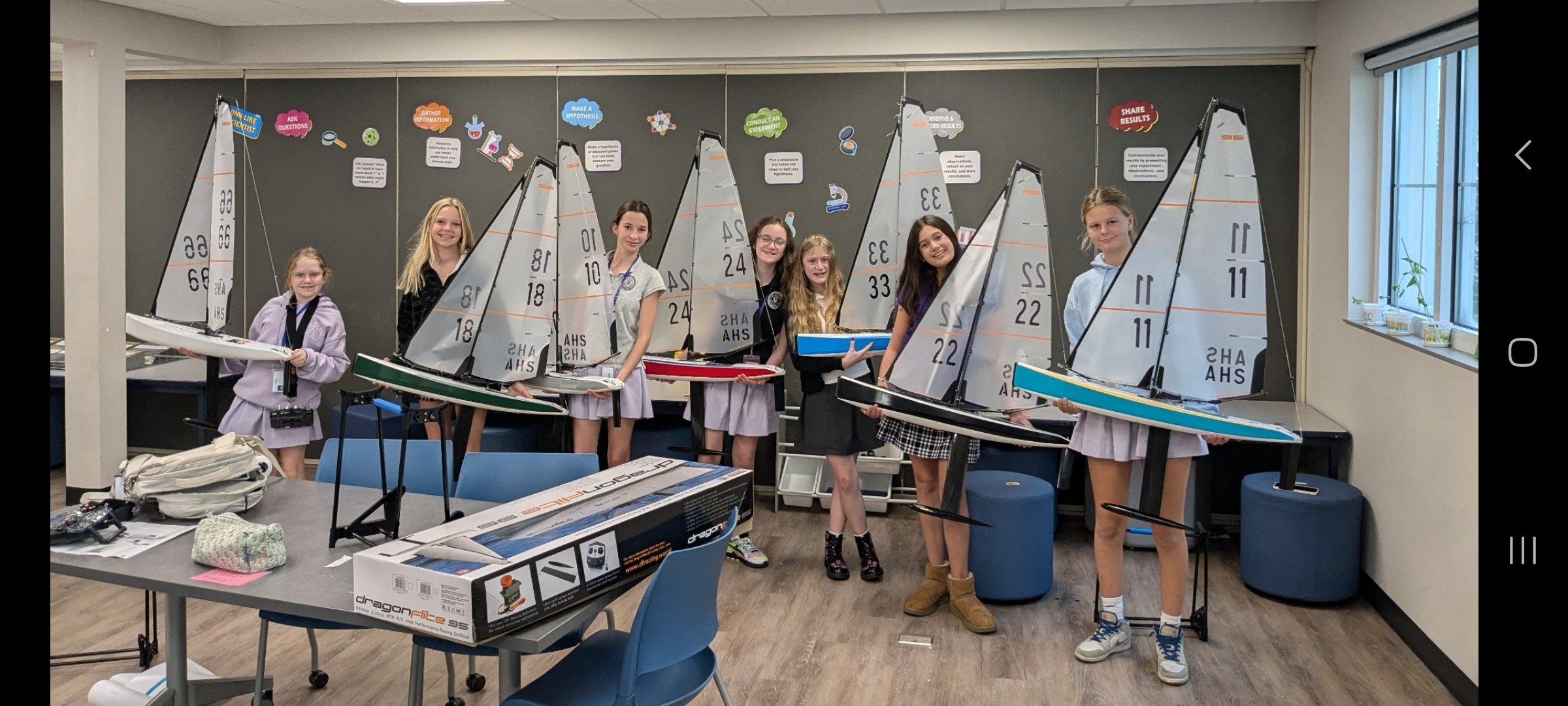
US Sailing has recently selected Sam Gervais and the Lowcountry Maritime School as the 2025 Award Winner for Creative Innovations in Community Sailing Programming. This national award recognizes the school's implementation of the DF95 Middle School Radio-Controlled Model Sailboat STEM Program. With the initial idea from Bob Johnstone, the program was developed by Sam Gervais along with Brandon Clark, LMS Director of Development and Educator. Brandon led many of the school level programs and has taken a large role in taking this program from a great idea to reality that is impacting students and growing sailing in the Charleston area.
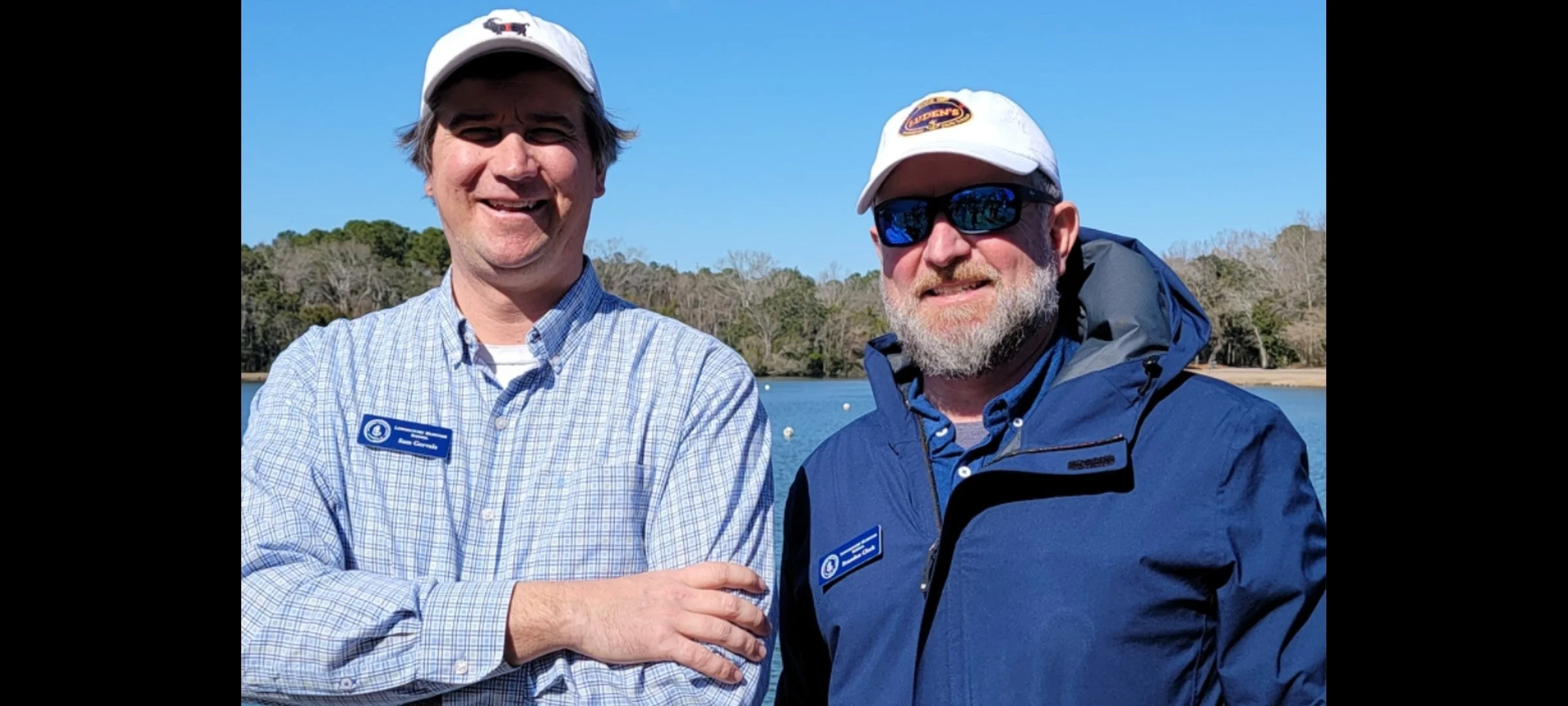
The global reach of this program began at US Sailing’s Leadership Forum in San Diego, with a presentation by Gervais. In Australia, following the LMS school formula, DF Classes International Chairman Phil Burgess implemented the program in 6 schools, captivating science teachers with such success that Australian Sailing has an interest in a national rollout.
During the 2024-2025 school year, 100 eighth graders in seven Charleston schools took their first step into the lifetime sport of sailing. Private, public, Montessori, and Title I schools represented schools elsewhere in the country, with 10 students meeting for a 1-hour activity class once per week. To date, 150 students across seven Charleston schools have built their own boats through this initiative.
LMS has created this RC Sailboat program in order to be implemented anywhere. Key areas of education and instruction are fulfilled with this program, and there are some important elements of the program to note:
The Project-Based STEM Learning aligns with South Carolina standards and is a step beyond US Sailing’s REACH program, as students become boat owners while learning the science and math of sailing, weather forecasting, aerodynamics, electronics, water quality, tidal currents, and so much more. There is also devoted instruction toward the maritime history of the region, which can be replicated anywhere, with plans to include day sails on a pair of J/7 23-foot keelboats and a tall ship.
Students are offered leadership opportunities as well as the chance to earn college credits. There is also the chance to develop other soft skills such as patience, determination, decision-making, teamwork, leadership, and sportsmanship. Each school forms its own sailing club and elects officers who arrange regattas and assist teachers the following semester, thus acquiring mastery and self-confidence.
The plan for 2025-26 is a school year-length program, rather than semester length. Class fees are set at sustainable costs, as these don’t exceed those of other varsity sports and can cover the material cost of boat kits. Schools are instead asked to contribute to LMS for logistical support, regional administrative expenses, and the initial semester of LMS in-class teacher training.
With the potential to reach any town in the country, more than double the sport of sailboat racing, and improve national performance at the Olympic/World level, this program should be of great interest to major corporate and foundation sponsors.
Photos by Brandon Clark