From Sounds to Keys
The Allure of Southeast Sailing
By Waterway Guide
The number of destinations for boaters in the Southeast is immense. From the waterfronts of Miami and Fort Lauderdale to the St. Johns River, coastal Georgia, and the Sounds of North Carolina, destinations continue to evolve. Rafting up at a restaurant with other boaters along a Florida waterway or anchoring in a secluded cove off the Albemarle Sound are delightful options that sailors should experience.
North Carolina
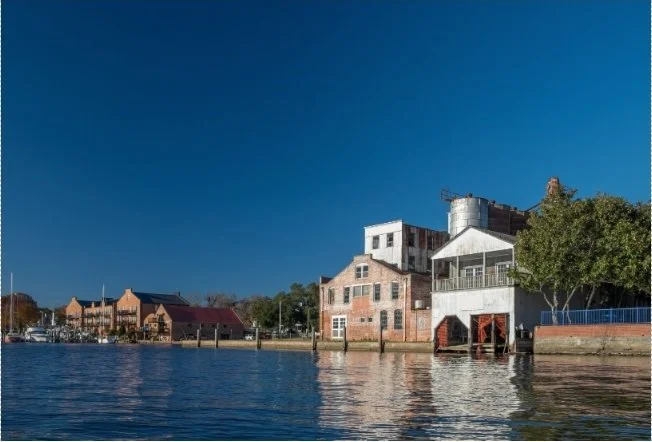
Starting in the north part of this region, Washington is a destination off the beaten channel where coastal charm meets the Pamlico riverfront. Sometimes referred to as “Little Washington,” the town offers quiet historical significance blended with nice restaurants for foodies, activities ashore, and a well-maintained marina. Depending on where you are coming from, getting there will take you through open water and remote stretches. Plan accordingly.
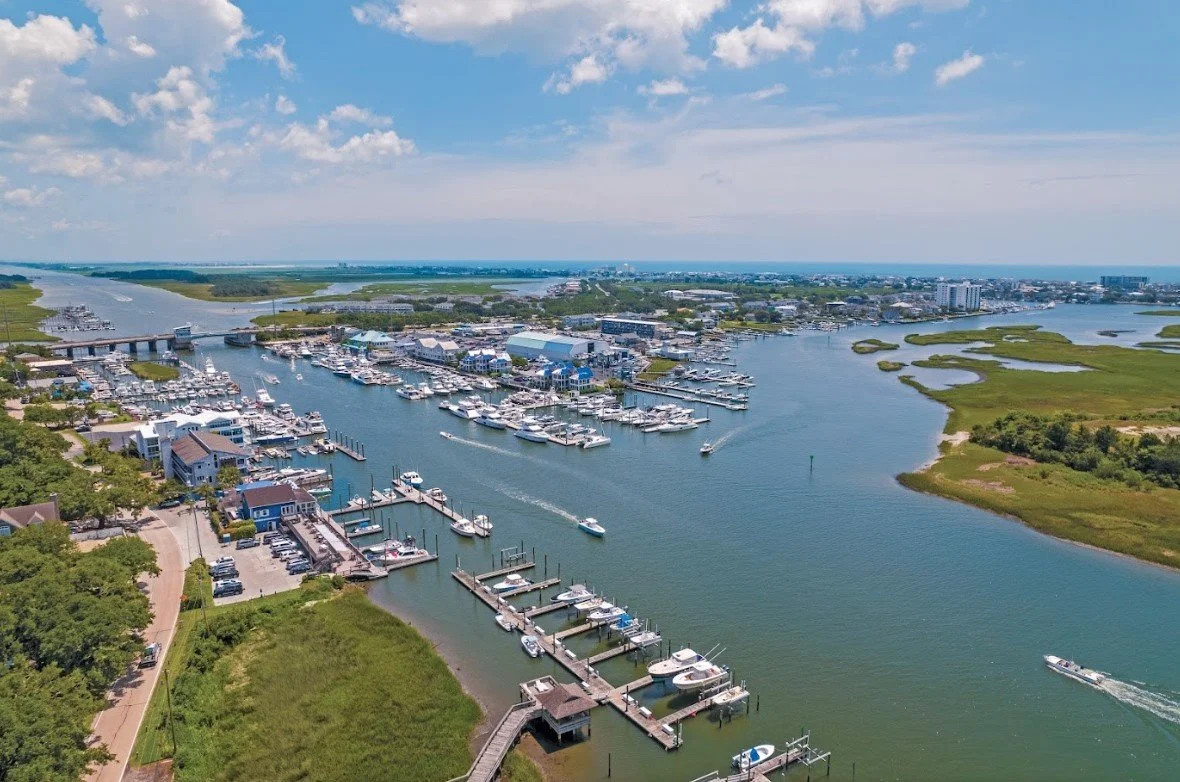
Wrightsville Beach has grown into a popular stopover for boaters. Located on the east side of the Intracoastal Waterway (ICW), it offers protected waters and steady sailing conditions, making it ideal for both short hops and longer stays. You will find easy access to marinas, beaches, restaurants, and repair services.
Ocracoke Island is a hidden gem for boaters. Accessible only by boat or plane, it offers long sandy shorelines, a scenic maritime forest, and small-town dining. With a historic harbor and unique coastal charm, it’s the perfect location for sailors seeking solitude with a mix of exploration. Plan your transit across Pamlico Sound and entrance into the town’s harbor, Silver Lake, well in advance and watch the weather.
South Carolina
Many sailors are surprised by just how scenic and tranquil large portions of the Southeast coast and ICW can be, especially in areas like South Carolina’s low country and inland Georgia rivers. Beaufort is one of those places that often exceeds expectations for its welcoming waterfronts and strong boating communities. Beaufort offers events and activities for boaters ashore, and an array of waterfront restaurants serving the freshest seafood.
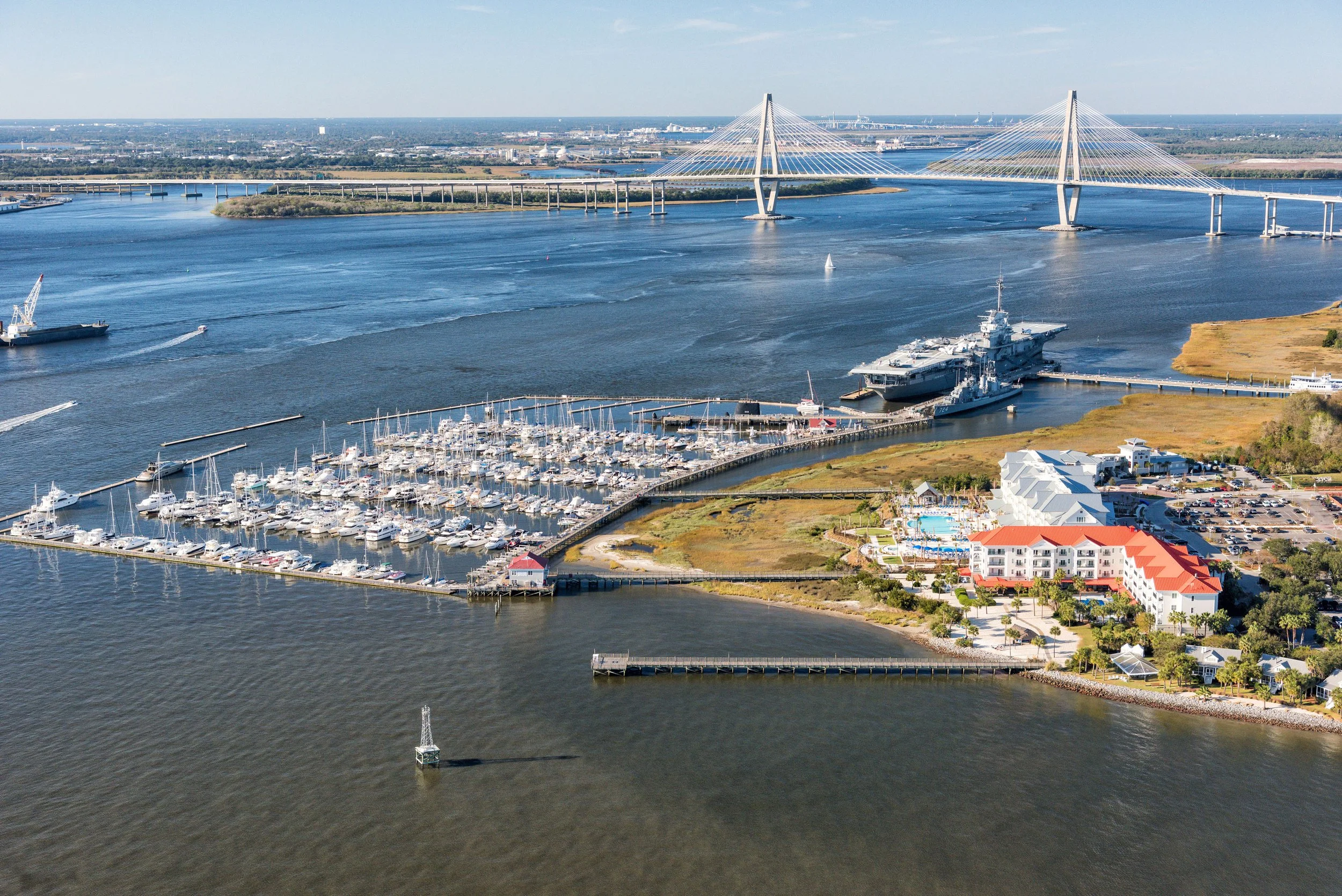
Charleston is a popular choice for cruisers. Its numerous marinas and infrastructure provide full-service amenities, while the harbor combines scenic views and reliable access to facilities. Be aware of strong currents and adjust your arrival and departure by boat accordingly. The city’s waterfront charm is worth exploring for the dining, shopping, and cultural options Charleston has to offer.
Another lesser-known cruising town is McClellanville, tucked along Jeremy Creek. This quiet waterfront village connects to a network of tidal creeks and marsh channels that stretch for miles, perfect for peaceful exploration.
Georgia & Florida
The Georgia coast itself is a highlight for many boaters, with barrier islands like Cumberland and St. Simons, providing protected anchorages and quiet stretches of water that feel far removed from civilization. For a truly natural anchorage near Georgia’s coast, Cumberland Island offers pristine beaches and protected anchorages with excellent holding in calm water. You can drop anchor close to uninhabited shores, explore trails through forests, and perhaps see wild horses. This is a tranquil contrast to busier ports.
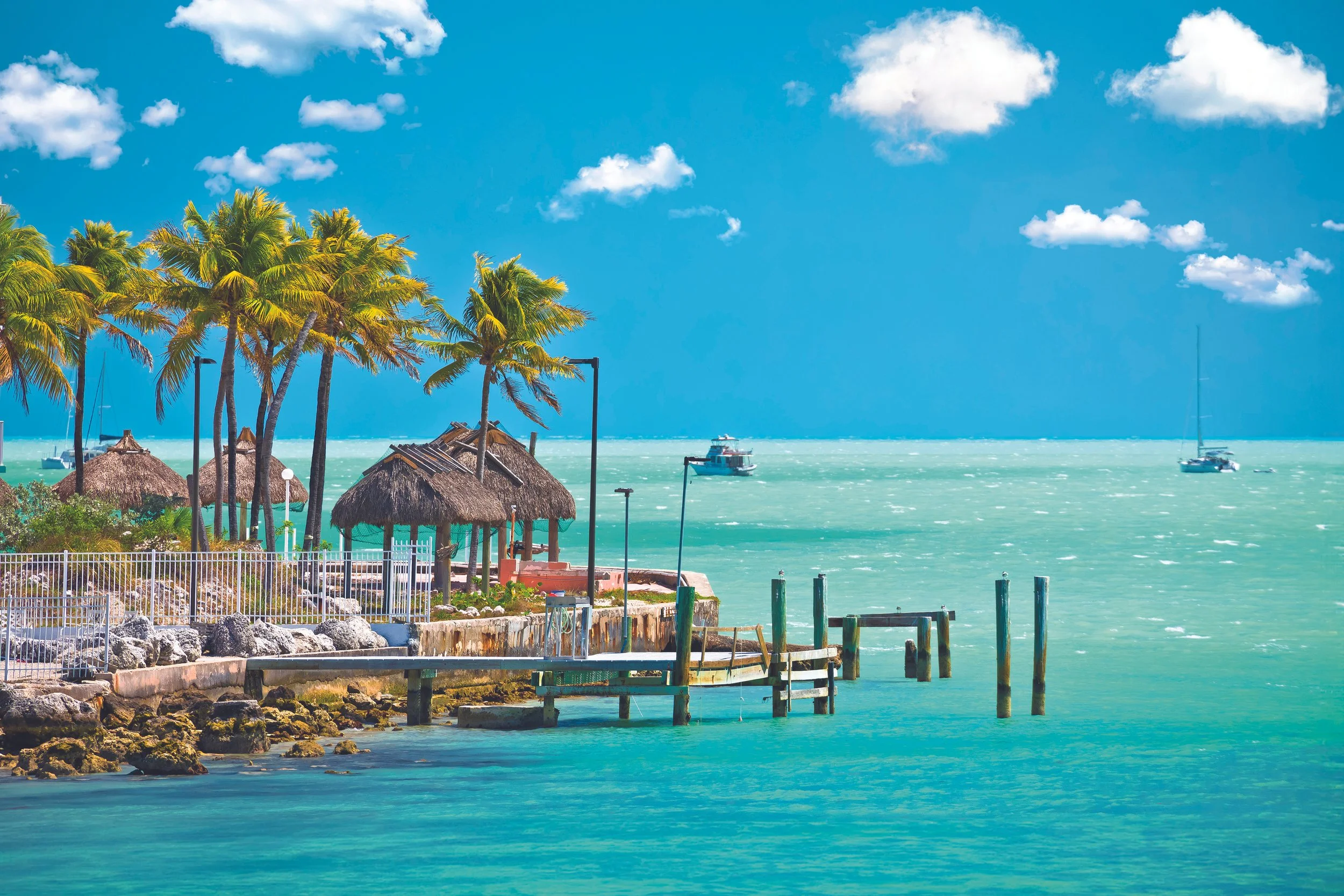
Farther south, the Florida Keys remain a destination for good reason with its turquoise waters and a cruising culture unlike anywhere else in the country.
New & Surprising
Mild weather the farther south you go is the number one reason the Southeast is so popular for sailing. With ample marinas and service facilities, sailors also have plenty of options for dockage and support. Combined with the many inviting waterfront communities along the coast and the safety of the ICW, the Southeast is one of the best cruising grounds in the world.
Many smaller ports are investing in better transient accommodations, upgraded docks, and boater-friendly downtown development. There’s also growing interest in sustainable boating infrastructure, improved pump-out access, and better communication around navigational changes. The region is more accessible and enjoyable for today’s sailors than ever.
We regularly hear from Waterway Guide users who planned a quick stop and ended up staying far longer because the destination offered more amenities, services, and hospitality than they expected.
Trust in Local
Local knowledge matters in many places along the Southeast coast. Shifting shoals, rapidly changing weather, and narrow inlets will challenge you. Some common mistakes that visitors often make is calculating distances without factoring in bridge schedules and tides and currents. Your boat may not fit under a bridge on the ICW, and you will need to wait for it to open before transiting. That delay may impact you getting through the next bridge scheduled opening.
Narrow channels and shallow areas, especially along the ICW, require careful timing and attention to daily conditions. Traffic can be an issue in some locations. Know your rules of the road and practice courtesy and awareness. The ICW is a commercial waterway, and you will encounter tugboats, barges and other vessels. This region also consists of a large number of bridges to pass under, so be mindful of schedules if the bridges need to open for your vessel.
Why Choose Waterway Guide for Your Next Trip
At its core, Waterway Guide exists to help boaters cruise and navigate with confidence. We do that by combining trusted editorial content, accurate navigation details, and real-world updates from cruisers and local experts, along with digital planning resources that help boaters prepare before they cast off.
In addition to the Mid-Atlantic and Southern 2026 print editions, which offer updated insights on ports, marinas, anchorages, and shoreside services, our digital resources offer daily updates and route planning support. Together, these platforms reduce uncertainty and help you make more informed decisions at the helm.
The goal is safer, more comfortable cruising and the confidence to explore beyond the main route, whether on a seasonal migration or a first-time cruise through the Southeast region.