
Feature: School’s In Session
While it may be surprising to hear, one of the best ways to learn all things fishing is to start in the classroom.
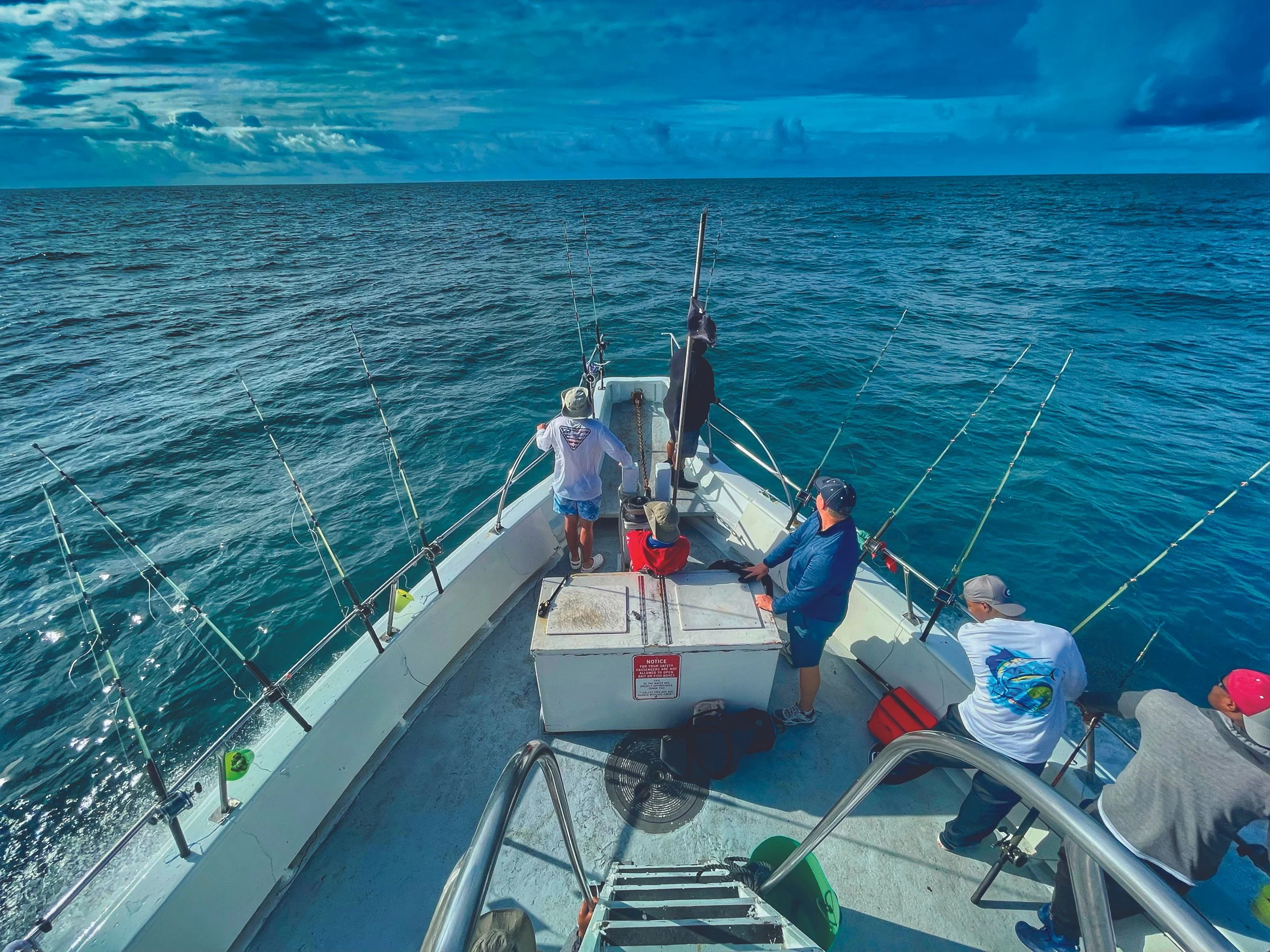
Educational programs set up at institutions, like North Carolina State University, are set up expertly for an organized set of courses in a hands-on environment. In fact the Sport Fishing School at the NCSU, now in its 72nd year, began as a noncredit short course within the Continuing Education department at the university. Now these courses are thriving, teaching students of all knowledge levels and all ages a wide range of skills — from tracking and understanding weather and water conditions, knowing when and where to fish, to choosing the right tackle and how to rig your bait correctly.
We spoke with one of the Fishing School’s instructors, Brian Taylor who owns and captains the Carolina Girl out of Teach’s Lair in Hatteras Village, NC, on what going to Sport Fishing School is like, and how this region of the southeast is one of the best environments anglers can learn.
Southeast Scuttlebutt: How do you structure lessons to balance classroom knowledge with hands-on, on-the-water practice?
Brian Taylor: We typically start the week by introducing our students to the different methods and techniques of fishing that are commonly used to target the species in our area. We cover the baits and lures that can be used as well as the proper ways to rig tackle. We practice hands-on techniques in the classroom setting before we take our students out to the water.
SS: What are your top technique tips for anglers trying to improve their success with offshore big-game species?
BT: We educate our students about the proper types of baits and lures to use. We teach them about the water depths and temperature changes that affect where certain species can be found. We also discuss the appropriate speeds to troll at depending on the weather conditions.
SS: How should anglers adjust their approach depending on whichever types of fish you're trying to catch?
BT: They should understand that they usually need to be in a specific area to catch certain fish. Sometimes they will have to switch between certain baits and lures. For example, mackerel can be caught with artificial spoons, cut bait, and live bait.
SS: Do you teach students to read offshore conditions — currents, temperature breaks, bait patterns, or weather shifts?
BT: We cover all of these topics in great detail since they are integral to a successful fishing trip.
SS: What safety practices do you reinforce most for offshore trips, especially in high-traffic or rapidly changing ocean conditions?
BT: We make sure that the boat is equipped with appropriate safety gear before we leave the dock. We make sure to pay close attention to the weather forecast for the area and we constantly check for updated bulletins since the weather can change very rapidly. We communicate constantly with the rest of the fleet on a public radio channel that is accessible to everyone.
SS: How would you describe the offshore fishing culture of North Carolina’s Outer Banks to someone who’s never fished there?
BT: The Outer Banks has one of the most diverse fisheries on the entire eastern seaboard which attracts anglers from all over the world, ranging in experience from novice to professional. While the experience of fishing for big game species can be very intense, most of the captains and mates who are familiar with the area are friendly and they are quick to offer encouragement and helpful advice.
SS: What’s the most common fishing game your students are trying to catch?
BT: Most of our students expect to catch trout, bluefish and red drum inshore. They look for mani, wahoo and tuna offshore.
SS: What makes the Outer Banks such a standout region for these types?
BT: The Outer Banks is very close to the Labrador current, which flows from the north and the gulf current, which flows from the south. This proximity allows anglers to encounter a wide variety of species that they would have to travel much further to find if they were in other areas.
SS: Are there certain seasonal patterns in the Outer Banks that anglers should be aware of, and how do you teach students to take advantage of them?
BT: Certain fish can only be caught during certain times of the year, due to variations in water temperature, prevailing currents and migratory patterns. For example, bluefin tuna are typically only caught in the winter.
SS: What local conditions most impact the fishing here?
BT: The wind, swell size, and swell direction have the greatest influence on daily fishing conditions here in our local waters. The time of year also impacts our conditions.
SS: What makes the charter fleets and fishing community in the Outer Banks special from your perspective?
BT: We are a small, tightly knit community, yet we have access to some of the best and most challenging fishing on the eastern coast of the Atlantic Ocean. People travel from all over the world to fish in our waters.
SS: What “aha” moments do you see students experience most often during the course?
BT: We enjoy watching our students master the knots needed for rigging while in class and we also love to see them utilize the rest of their new skills while out in the water to actually catch fish.
SS: What’s one piece of advice you wish every offshore angler knew before heading out?
BT: While we stress the importance of safety and respect for the ocean, we also want anglers to have fun.
For Captain Brian’s charter: www.fishingcapehatteras.com/carolina-girl-charters
For more information on NCSU’s Sport Fishing School: https://lifelonglearning.ncsu.edu/sport-fishing-school/